
The Real Reasons Why Podcasters Wear Headphones
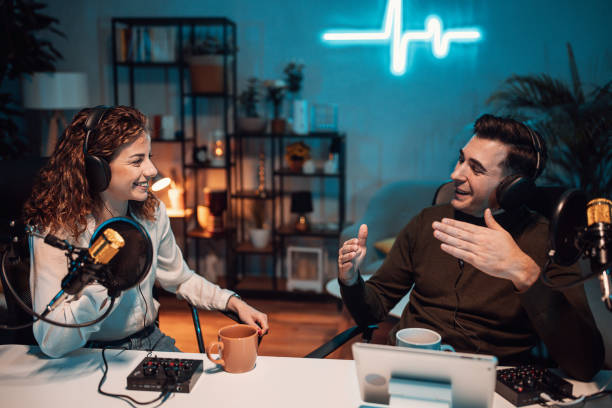
Have you ever seen an image of podcasters and noticed that they’re almost always wearing high quality headphones? Or have you ever listened to a podcast and admired the crisp, clear, broadcast-style voice, and wondered how a home recording set-up could achieve such a great level of sound quality? Well, the two are very intertwined.
While the importance of implementing a quality microphone is a given, an often overlooked but just as step to quality sound involves the humble headphones. To the average podcaster, a great set of headphones provides far more than an appealing aesthetic; they allow podcasters to achieve professional-sounding audio. Headphones allow podcasters to monitor recordings in real-time, catch background noise, and adjust levels on the spot. They also help during editing, ensuring every detail—from volume consistency to clarity—is polished before publishing. Without reliable headphones, subtle audio issues can go unnoticed, resulting in a less-than-professional final product that may turn listeners away.
As podcasting has experienced tremendous growth over the past decade, it’s quickly evolved into one of the most popular and accessible mediums for sharing stories, ideas, and information worldwide. With millions of podcasts available across countless genres, competition for listener attention is fierce. This makes delivering high-quality audio essential; not only to stand out but also to provide an engaging, enjoyable experience that keeps audiences coming back.
So if you’re considering starting a podcast, or upgrading the one you’ve already got, then scroll down to learn why investing in quality headphones is a critical step in creating a polished listening experience that will resonate with your audience.
Why Do Podcasters Wear Headphones?
A good set of headphones offer the average podcaster a slate of benefits, including:
-
Sound Quality Monitoring: Headphones are essential for podcasters to monitor audio quality in real-time. They ensure voices are captured clearly and at the right volume, allowing immediate adjustments to microphone placement or speaking levels to avoid distortion or peaking.
-
Echo & Feedback Prevention: Using headphones stops the microphone from picking up sound from speakers, which can cause echo or feedback loops. By feeding audio directly to the podcaster’s ears, headphones maintain clarity by eliminating unwanted re-capturing of playback sounds.
-
Improved Focus: Isolating audio through headphones helps podcasters concentrate fully on the discussion, enhancing engagement with topics and guests, which leads to a more focused and compelling dialogue.
-
Cueing & Communication: In multi-speaker podcasts or productions with a producer, headphones are used to deliver cues—such as when to begin speaking or when breaks are approaching—helping keep the conversation coordinated.
-
Background Noise Reduction: Podcast headphones block out external sounds, reducing distractions and preventing ambient noise from being picked up by the microphone, which results in cleaner recordings.
-
Enhanced Listener Experience: By hearing exactly what the audience will, podcasters can better control pacing, tone, and energy in real time, crafting a more engaging and polished listening experience.
-
Self-Monitoring in Multi-Track Recording: For sessions where each participant is recorded on separate tracks, headphones allow individual monitoring to ensure each voice is clear without audio bleeding between tracks.
-
Managing Audio Delays: During remote interviews or internet-based recordings, headphones help podcasters detect audio delays immediately, allowing them to adapt their timing and avoid interruptions or awkward pauses.
-
Post-Production Accuracy: Headphones are invaluable during editing and post-production to catch subtle audio issues that might be missed through speakers, ensuring the final product meets high-quality standards.
-
Professional Image & Branding
Wearing headphones has become a recognisable symbol of podcasting professionalism, reinforcing a podcaster’s brand and lending a polished, credible visual identity.
Choosing the Right Podcasting Headphones
When selecting headphones for podcasting or audio work, understanding the differences between types is key. While choosing the right headphones ultimately depends on your recording environment and workflow needs, there are some other important factors that are worthy of your consideration...
Closed-Back vs Open-Back Headphones:
Closed-back headphones have sealed ear cups that isolate sound, preventing audio leakage and blocking external noise. They’re ideal for recording and monitoring in noisy environments. However, they can feel less airy and cause ear fatigue over long sessions.
Open-back headphones have perforated ear cups that allow air and sound to pass through, creating a natural, spacious audio experience with better detail—perfect for mixing and critical listening—but they leak sound and offer little noise isolation.
Our Recommendations:
-
Closed-Back - Audio-Technica ATH-M50x
The Audio-Technica ATH-M50x headphones deliver exceptional audio clarity and comfort, making them a top choice for professionals and enthusiasts alike. Featuring circumaural (around-ear) earpads, they provide excellent sound isolation for immersive listening. The ear-cups swivel 90 degrees, enabling convenient one-ear monitoring, while the fold-up design ensures easy storage and portability. Perfect for studio or on-the-go use, the ATH-M50x includes a carry pouch for added protection. With three detachable cables, you can adapt to various listening needs and setups. This headphone offers reliable, great isolation, which is why they are widely used in studios.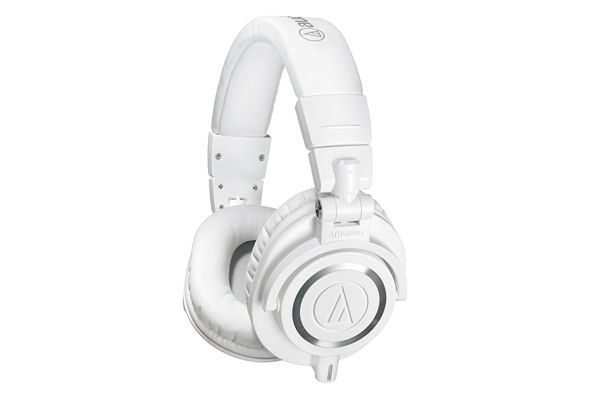
-
Open-Back - Sennheiser HD 660 S2 Audiophile Headphones
The Sennheiser HD 660 S2 Audiophile Headphones deliver a natural, high-fidelity sound with deep, accurate sub-bass and exceptional timbre. Featuring 42mm high-performance transducers, a vented magnet system, and ultra-light 300-ohm aluminum voice coils, they ensure precise, distortion-free audio. Open-back elliptical earcups create a spacious soundstage, while velour pads provide lasting comfort. Built in Germany and made in Ireland, these headphones offer outstanding craftsmanship, detachable OFC copper cables, and a 2-year global warranty. These headphones offer both audiophile-grade clarity and comfort for detailed listening.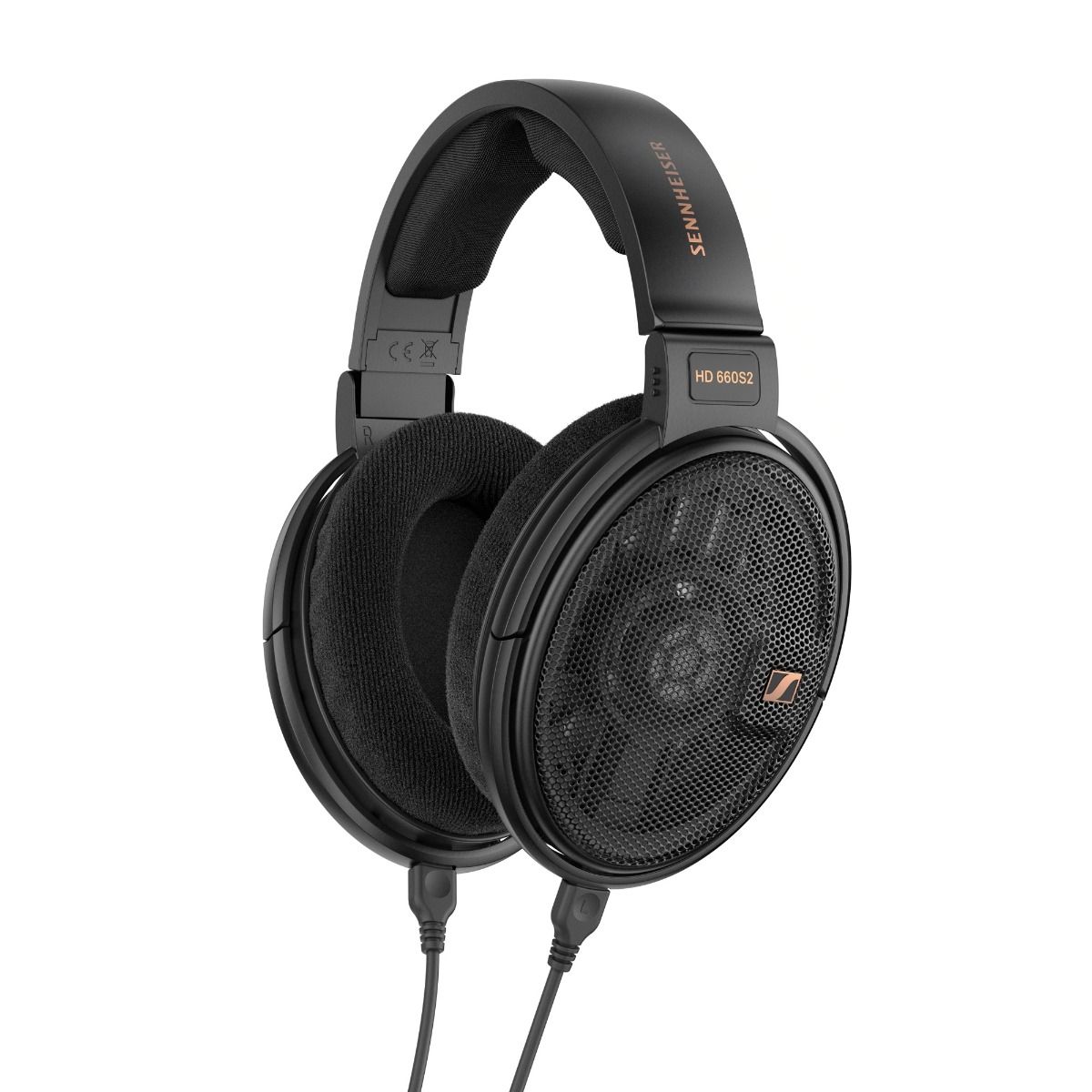
Wired vs Wireless Headphones:
Wired headphones offer stable, latency-free audio crucial for recording and precise monitoring, ensuring no delay between the source and what you hear. Wireless headphones provide convenience and mobility but often introduce latency and potential signal interference, making them less suitable for professional recording.
Our Recommendations:
-
Wired - Audio-Technica ATH-M20x:
The Audio-Technica ATH-M20x professional monitor headphones, part of the acclaimed M-Series, offer exceptional sound quality and comfort for long listening sessions. Featuring 40mm custom drivers with a 15–20,000 Hz frequency range and 47-ohm impedance, they deliver clear, balanced audio with excellent isolation. With a sturdy yet lightweight 190g build, soft padded earcups, and a sleek matte black design, they’re perfect for tracking, mixing, or everyday use. These headphones provide affordable, dependable wired options that are ideal for studio use.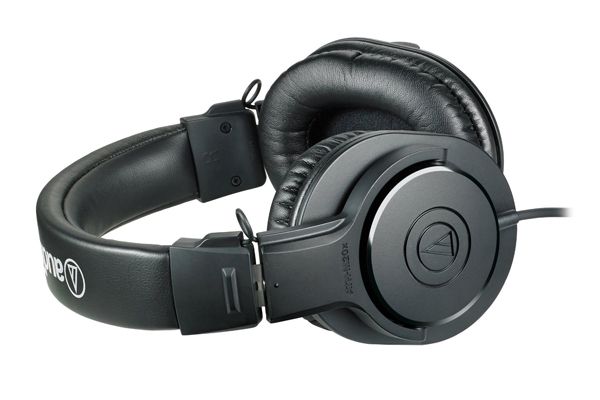
-
Wireless: Shure SRH1540 Premium Closed-Back Headphones:
The Shure SRH1540 Premium Closed-Back Headphones deliver rich, detailed, and linear sound with minimal distortion, thanks to their high-performance APTIV™ Film diaphragm. Designed for professional and audiophile use, they provide exceptional comfort and superior noise isolation. Built for durability, they include a hard case, an extra set of earpads, and a spare cable. Backed by a 2-year manufacturer’s warranty for peace of mind. These premium closed-back wireless headphones deliver both mobility and a balanced sound quality.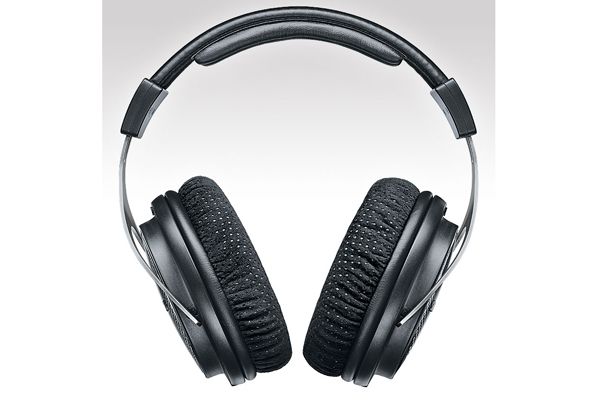
How Can I Set Up Headphones for My Podcast?
-
Selecting the Right Headphones Types: Picking the right headphones is a critical first step in producing a successful podcast. Different styles (such as over-ear, on-ear, or in-ear) suit different preferences and recording environments, so consider comfort and functionality carefully.
-
Connecting Your Headphones: Once you’ve selected your headphones, connect them securely to your computer or audio interface to avoid disruptions. Balancing volume levels between your headphones and microphone is key to preventing feedback and ensuring clear recordings. Using equalization (EQ) can further improve sound by reducing unwanted noise and enhancing vocal clarity.
-
Monitoring Your Audio: Real-time audio monitoring helps you hear exactly what your audience will experience, making it easier to catch issues on the spot. Headphones with noise-canceling features can also block out distractions, ensuring you stay focused during recording sessions.
Conclusion
Choosing the right set of headphones for your podcast is absolutely essential if you wish to record clear, professional audio. When selecting between over-ear, on-ear, or in-ear styles, always consider factors such as your comfort as well as your available recording environment. Closed-back headphones offer noise isolation ideal for noisy settings, while open-back models provide a natural sound best suited for quiet spaces. Wired headphones are preferred for reliable, latency-free monitoring. Proper connection, volume balance, and real-time monitoring ensure the best recording quality and listener experience. You can explore the full Mindisc range of quality audio gear here. For all inquiries, don’t hesitate to contact us directly here.