
The Best Neckband Headphones for 2026?

Neckband headphones are wireless headphones with a flexible band that rests around the neck, and earbuds connected by short cables. Unlike true wireless earbuds, neckband earbuds house larger components, such as the battery, Bluetooth chipset, and sometimes enhanced amplification hardware. This allows for longer battery life, stable connectivity, and, in some cases, improved audio performance. Neckband headphones offer a middle ground between over-ear headphones and fully wireless earbuds—combining portability with practical convenience.
Audiophiles care deeply about sound quality, evaluating factors such as driver design, frequency balance, clarity, distortion levels, and support for high-quality Bluetooth codecs like aptX or LDAC. Because neckband designs can accommodate larger internal hardware than ultra-compact earbuds, premium models often deliver stronger amplification, better signal stability, and more detailed sound reproduction.
Premium neckband headphones are experiencing a bit of a resurgence in 2026, owing to their reliable connectivity, their higher-resolution wireless audio, and longer battery life. As such, manufacturers are sweetening the pot with advanced drivers, improved noise cancellation, and better codec support. The result is a renewed interest in the humble neckband headphones; not just as a quick and convenient fad, but as a serious option for high-quality listening.
What Makes a Neckband Headphone “Premium”?
Premium neckband headphones stand out because they blend higher-quality audio hardware, support for richer wireless codecs, superior build and comfort, robust battery performance, and advanced noise-management features. These elements work together to deliver a listening experience that is more immersive and refined than basic models, making them especially attractive to discerning listeners who want both convenience and audio fidelity.
Advanced Sound Drivers & Acoustic Design
Premium neckband headphones often deploy specialized driver technologies—such as balanced armature drivers, dynamic drivers, or hybrid systems combining both.
-
Balanced armature drivers excel at accurate, detailed mid- and high-frequency reproduction because they are lightweight and precise.
-
Dynamic drivers tend to deliver fuller bass and a broader soundstage.
-
Hybrid systems pair multiple drivers to cover different parts of the audio spectrum, giving a more balanced and detailed listening experience.
These sophisticated driver setups are part of what helps premium neckbands deliver richer, more nuanced sound than entry-level models.
Support for High-Resolution Audio Codecs
A big factor in perceived audio quality—especially for audiophiles—is the Bluetooth codec a headphone supports. Premium neckbands include high-resolution wireless codecs such as:
-
LDAC, which can transmit significantly more audio data than standard Bluetooth codecs, enabling near-lossless playback over wireless connections.
-
AptX Adaptive and LHDC, which optimise audio fidelity and reduce latency on compatible devices.
These codecs allow sound to remain clearer and more detailed when streaming music from smartphones or tablets, provided the source device also supports the codec.
Build Quality, Materials & Comfort
Materials and craftsmanship matter for both durability and everyday comfort. Premium neckband models often incorporate:
-
Metal housings for structural strength and resonance control
-
Reinforced or high-grade cables that resist wear and avoid microphonics
-
Ergonomically shaped ear tips and adjustable neckband designs for all-day comfort
Higher-end materials and rigorous assembly reduce unwanted vibrations or noise and make these headphones more pleasant to wear regularly.
Battery Life & Operational Performance
Part of the practical appeal of a neckband form factor is the ability to house larger batteries than true wireless earbuds. Premium models typically offer:
-
Extended continuous playback times
-
Fast-charging options that deliver hours of listening from just a short charge
Long battery life means users can depend on their neckband for extended commutes, long workdays, or travel without frequent recharging.
ANC, Ambient Modes & Transparency Features
Premium neckbands today commonly include active noise cancellation (ANC) and ambient/transparency modes:
-
ANC uses microphones and processing to actively reduce environmental noise for a cleaner listening experience.
-
Ambient or transparency modes let outside sounds in—useful for hearing announcements or having quick conversations without removing the headphones.
Advanced ANC and mode switching enhance real-world usability and bring high-end noise control typically found in over-ear premium headphones into the neckband category
Why Neckband Headphones Still Matter for Audiophiles
Neckband headphones offer a slew of benefits for the hardcore audiophile, including:
-
Better Stability & Bass Response: Neckband headphones remain prized by many listeners because their design allows for larger drivers and a more secure physical placement than tiny true wireless buds. The neckband form keeps the earbuds reliably seated in the ears without constantly readjusting, which helps maintain consistent bass delivery and overall sound stability. Larger drivers and a more stable fit often translate into fuller low-end response and fewer fluctuations in sound quality during movement—a key factor for listeners who care about deep, controlled bass and overall fidelity.
-
Longer Battery Life Than True Wireless: One of the most noticeable advantages neckbands still offer is extended playback time. Because the battery is housed in the band rather than inside each earbud, neckband models typically deliver significantly more continuous listening time—commonly 15–30 hours on a single charge—without needing a charging case. For audiophiles or frequent users who dislike frequent recharging, this endurance reduces “battery anxiety” and supports longer listening sessions without interruption.
-
Physical Control Benefits & Fewer Connection Dropouts: Neckband headphones often include tactile physical buttons directly on the band, which are easier to operate than small touch surfaces on true wireless earbuds. This reliability in controls matters to users who want precise, responsive input during playback or phone calls. Additionally, because the Bluetooth link is maintained from a central band unit to both earbuds, there are typically fewer wireless dropouts or syncing issues compared to some true wireless designs that rely on peer-to-peer transmission between buds.
-
Ideal for Commuting, Travel, & Extended Listening: Neckband headphones are well-suited to daily use cases like commuting, travel, and long listening sessions precisely because of their comfort, battery performance, and stability. The band rests comfortably around the neck without putting pressure deep inside the ear canal, which reduces ear fatigue over long hours. Their extended runtime and fewer mid-day charging needs make them practical companions for long flights, daily transit, or extended work periods. For users who value dependable, all-day audio over ultra-compact design, these traits keep neckbands relevant in 2026.
Why XELENTO Wireless is One of the Best Premium Neckband Headphones
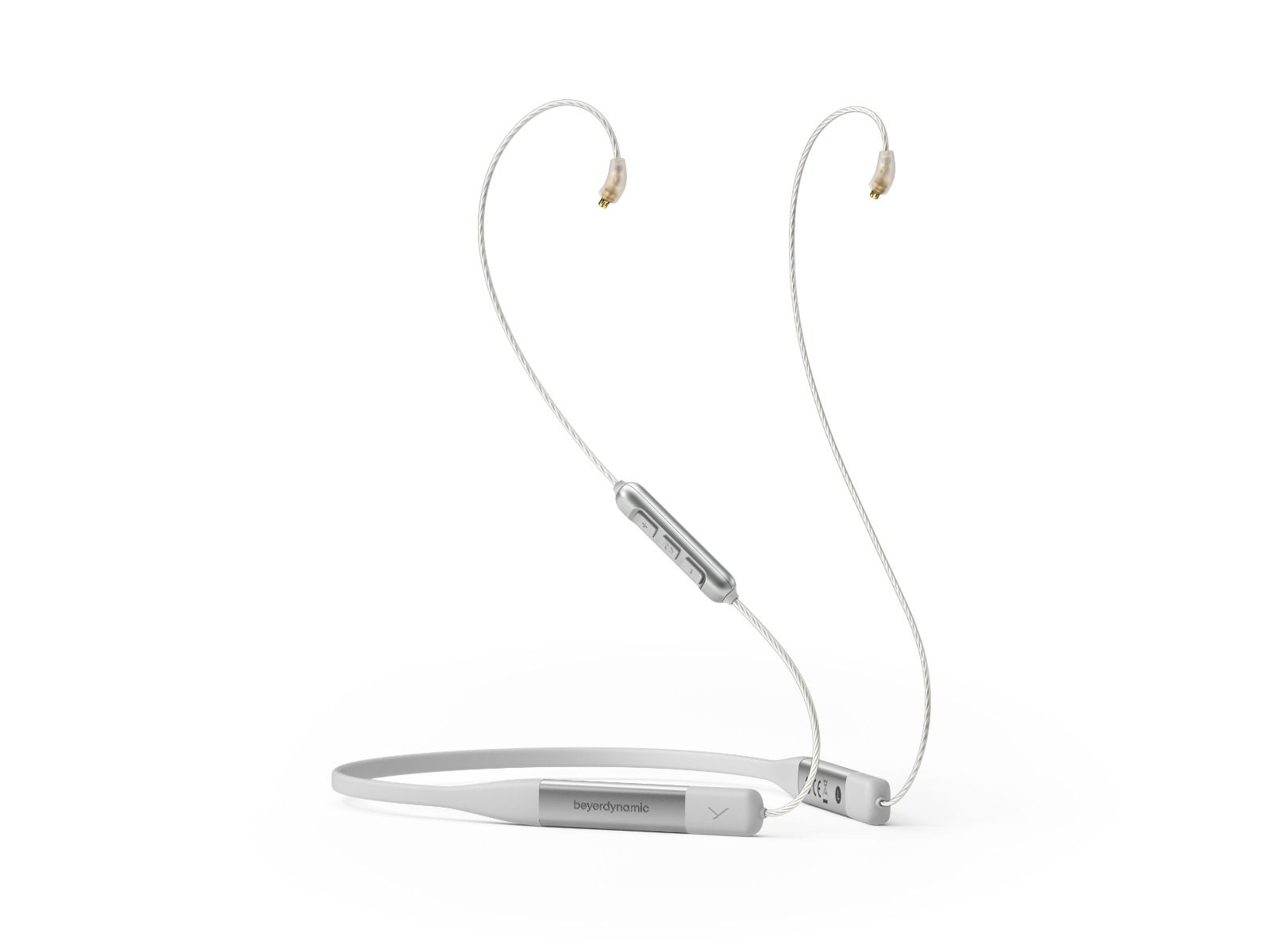
The XELENTO Wireless in-ear headphones (2nd generation) are designed for audiophiles, frequent travellers, and music professionals who demand high-resolution sound without compromise. Thanks to the MMCX plug-in system, they can be used wirelessly or with the included 3.5 mm mini-jack cable, and the optional 4.4 mm Pentaconn cable allows integration with balanced hi-fi systems for critical listening.
Through the MIY app and MOSAYC personalization, users can tailor the sound to their individual hearing profile, while OTA updates ensure the headphones stay current with the latest audio technology. Comfort is central to the design: slim, ergonomic housings with optimized eartips fit securely in the ear, reduce cable noise, and provide passive noise isolation. IPX4 protection adds moisture resistance, making them ideal for commuting, travel, or extended listening. Luxury details, such as real gold accents and 24-carat gold logos, complement the premium audio experience.
In short, the XELENTO Wireless combines exceptional sound, personalized comfort, and versatile connectivity for discerning listeners who want both performance and style.
Tips for Buying & Maintaining Your Neckband Headphones
-
Choose the Right Codec for Your Device: Wireless audio quality is strongly influenced by the Bluetooth codec supported by both the headphones and your source device. Higher‑resolution codecs like LDAC, aptX Adaptive, or LHDC can transmit more audio data with less compression, resulting in richer detail and better fidelity. Before buying, check that the neckbands and your phone or player support the same high‑quality codec to get the best possible wireless sound.
-
Consider Fit & Comfort: Since neckband headphones are worn for extended periods, comfort matters. Look for models with lightweight neckbands, flexible housings, and multiple ear tip sizes. A shape that conforms naturally to your ears and neck will reduce fatigue and ensure a secure fit, especially during daily commutes, workouts, or long listening sessions.
-
Check Real‑World Battery Performance: Advertised battery life often reflects ideal conditions. To understand how a pair performs in daily use, consider real‑world testing or user reviews. Longer battery life means fewer charging interruptions, which is especially important if you plan to use your neckbands throughout the workday, while travelling, or during extended listening sessions.
-
Look for Firmware Update Support: Firmware updates can improve performance, add new features, and fix bugs. Choose neckband headphones from brands that actively support firmware updates via companion apps or over‑the‑air downloads. This ensures your device stays current and continues to function smoothly as new wireless audio standards evolve.
-
Test Microphone Quality: If you plan to take calls or use voice assistants, microphone performance is crucial. Some neckbands include multiple mics with noise‑reduction technology, making conversations clearer in noisy environments. Whenever possible, read or listen to hands‑free call tests to ensure voice pickup meets your expectations.
-
Review Warranty & Customer Support: A strong warranty and responsive customer support give you peace of mind if something goes wrong. Look for products backed by reliable coverage and accessible support channels. This is especially helpful if your neckbands are used daily and exposed to wear, sweat, or accidental damage.
-
Maintain Cleanliness for Optimal Sound: Ear tips and mesh screens can accumulate earwax, dust, and sweat over time, which degrades audio clarity and hygiene. Regular cleaning—using gentle tools and appropriate cleaning solutions—keeps sound quality consistent and extends the life of your neckbands. Good maintenance habits protect both performance and ear health.
Frequently Asked Questions
What are the key features to look for in neckband headphones in 2026?
Start with high‑resolution codec support (such as LDAC, aptX Adaptive, or LHDC) for better audio quality over Bluetooth. Look for reliable battery life that aligns with your daily use, solid microcontroller and Bluetooth stability to avoid dropouts, and effective noise control features like ANC and transparency modes. Comfortable fit and build quality are also essential, with ergonomic ear tips and a neckband that won’t cause fatigue during long listening sessions. Finally, check that the model supports firmware updates and has dependable customer support, as these extend long‑term usability and performance.
Are neckband headphones still relevant in 2026 compared to other styles?
Absolutely; while fully wireless earbuds are popular for their compact size, they usually have smaller batteries and more frequent charging needs. Neckbands combine wireless convenience with longer playtime, easier controls, and often better overall performance, making them a strong choice for commuters, frequent travellers, and listeners who want a balance of comfort and quality without constantly managing a charging case.
How do neckband headphones compare to true wireless headphones?
Neckband and true wireless headphones each have their own advantages. True wireless models are highly portable and completely untethered, which some users prefer. Neckbands, on the other hand, offer larger internal batteries (for extended playback), fewer Bluetooth dropouts (due to a single transmission hub), and physical on‑device controls that are easier to use than tiny earbuds. In terms of sound quality, many neckbands can house larger drivers and stable signal processing, which can translate to richer bass and more consistent performance across listening environments.
Is a neckband headphone good for your ears?
Yes, neckband headphones can be quite gentle on your ears when used properly. Because they distribute weight around the neck and rest lightly in the ear canal, they often cause less fatigue than deep‑inserting true wireless earbuds. Proper fit and volume management are key; using the right ear tips and avoiding excessively loud listening levels will help protect your hearing. Additionally, neckbands that include ambient or transparency modes allow you to stay aware of your surroundings, which reduces the need to raise volume levels for safety or situational awareness.
Conclusion
Ultimately, Neckband headphones combine long battery life, stable wireless performance, and ergonomic comfort, making them ideal for both the stay-at-home sound engineer as well as the audiophile on the go.
You can browse Beyerdynamic Xelento Wireless 2nd Gen In‑Ear Headphone here, or head over to the Minidisc homepage to explore our full range of products & services. For all enquiries, contact us directly.