
How Do Noise-Cancelling Headphones Work?
Active Noise Cancelling headphones—also known as ANC headphones, or simply, noise-cancelling headphones—reduce unwanted background noise by using a noise cancelling system. But how do they actually work?
Simply put, noise cancelling headphones use built-in microphones to detect ambient noise both outside and inside the earcup. An internal ANC processor then inverts the detected soundwaves and plays them through the headphone speakers, effectively neutralising the external noise. Think of it like taking a +2 from the environment and adding a -2 inside the headphones to create near silence. In addition to this electronic cancellation, the headphones’ earcup design and materials also help block sound physically, providing a quieter, more focused listening experience for work, travel, or relaxation.
As our daily environments become increasingly noisy, the demand for quiet spaces—whether travelling, at the office, or trying to find a moment of rest at home—has grown significantly. Noise cancelling headphones provide a solution by combining advanced technology with thoughtful physical design to reduce unwanted background sound.
What is Noise Cancellation?
Noise-cancelling technologies, originally developed for aviation and military applications, have now become a common feature in consumer products such as headphones and earbuds. These technologies work by using built-in microphones to detect external sounds and generate inverted sound waves that counteract the noise you want to eliminate. To understand the principle, imagine two identical sound waves stacked together. When they are perfectly aligned, or ‘in-phase,’ their peaks and troughs match, producing a louder sound. But if one wave is shifted by 180 degrees, the waves oppose each other. When they combine, they cancel each other out in a process called ‘destructive interference,’ effectively reducing the perceived noise.
So how does this science translate to headphones? Unlike traditional headphones that rely solely on passive isolation, active noise-cancelling (ANC) headphones constantly detect and neutralise unwanted sounds using tiny microphones and intelligent algorithms. Microphones on the ear cups ‘listen’ to ambient noise, while an ANC chipset generates inverted sound waves that are played through the headphone drivers alongside your music.
This combination actively cancels external noise, allowing you to focus on what you want to hear. ANC is particularly effective on consistent, low-to-medium frequency sounds, such as the hum of traffic or the engine of an airplane. This makes it perfect for frequent travellers who want to enjoy podcasts or music without distraction, or commuters seeking relief from chatter and background noise on public transport.
How Active Noise Cancellation Works
Built-in Microphones Detect External Noise
Noise-cancelling headphones use microphones located on the outside and inside of the ear cups to continuously monitor surrounding sounds. These microphones pick up ambient noise, including consistent low-to-medium frequency sounds like engine hums, traffic, or air conditioning, which allows the headphones to respond in real time.
ANC Processor Generates an Opposite Sound Wave
The detected noise is processed by the ANC (Active Noise Cancelling) chipset, which generates a sound wave that is the exact opposite, or “inverted,” of the incoming noise. This process, known as phase inversion, effectively creates a signal that can neutralise the unwanted sound when combined with it.
Opposing Waves Cancel Out Noise
When the inverted sound wave is played through the headphones alongside the original noise, the two waves interfere with each other in a phenomenon called destructive interference. Peaks from one wave align with troughs from the other, reducing the overall amplitude of the sound and effectively cancelling much of the unwanted background noise.
Continuous Real-Time Adjustment
Advanced ANC headphones continually adjust this process using sophisticated algorithms and real-time digital signal processing (DSP). This ensures that the system adapts instantly to changing noise conditions, maintaining a consistently quieter listening experience whether you’re on a plane, in a busy office, or commuting through city streets.
Types of Active Noise Cancellation
Feedforward ANC
Feedforward ANC is one of the simplest forms of active noise cancellation. External microphones detect ambient noise and feed it to a digital signal processor (DSP), which generates an inverted sound wave to cancel out the noise. This design is ideal for earbuds where space inside the ear is limited. While effective at reducing mid-frequency sounds like traffic or chatter, feedforward ANC is less precise than internal-microphone systems and can be affected by a loose fit or unpredictable noises such as wind, which may not be fully cancelled.
Feedback ANC
Feedback ANC takes a slightly different approach by placing the microphone inside the ear cup, near the listener’s ear. This allows the system to measure exactly what reaches the ear and adjust the cancellation signal in real time. Feedback ANC provides more accurate noise reduction, particularly for higher-frequency sounds, and adapts better to variations in fit. However, because the microphone only captures noise that has already entered the earcup, it can be slower to respond to sudden external sounds compared with feedforward designs.
Hybrid ANC
Hybrid ANC combines both feedforward and feedback methods, using microphones both outside and inside the ear cup. This allows the headphones to detect external noise before it enters the ear while also monitoring what actually reaches the ear for precise cancellation. The result is more consistent and effective noise reduction across a wider range of frequencies. Hybrid ANC systems are more complex and typically found in premium headphones, offering the benefits of both approaches while minimising the drawbacks of each.
Passive Noise Isolation: The “Physical Barrier”
Physical or Passive Noise Blocking
Passive noise reduction relies on clever physical design, rather than electronics, to keep out unwanted sound. It comes down to three main factors: the materials used, how tightly the headphones clamp on your head or ears, and the shape and seal of the earcups (or tips).
-
Materials: Dense, soft padding in earcups or ear tips helps absorb and dampen sound waves. High-quality foam or memory foam forms a barrier that muffles external noises.
-
Clamping Force: How firmly the headphones press against your head or ears makes a big difference. Stronger clamping helps create a seal, reducing the chance of sound leaking in. But it has to be balanced so it’s not uncomfortable.
-
Earcup / Tip Design:
- Over‑ear headphones: These use large, cushioned earcups that fully enclose your ears and form a tight seal around them. That seal helps block out noise from the sides and behind you.
- In-ear earbuds: These use silicone or foam tips that fit snugly in your ear canal, creating a tight acoustic seal. The better the fit, the more effective they are at physically isolating background noise.
The Key Features of Noise-Cancelling Headphones
On the hunt for a new pair of noise-cancelling headphones? Before you buy, we strongly recommend factoring these key considerations into your search.
-
Hybrid ANC Technology: Hybrid ANC tech uses both internal and external microphones to cancel noise across a wider range of frequencies, providing a more consistent and effective listening experience.
-
Adaptive Noise-Cancelling: This feature allows the headphones to automatically detect and adjust to different environments, ensuring optimal noise reduction whether you’re on a plane, commuting, or in an office.
-
High-Resolution Audio: High-res audio helps you maintain clear, detailed, and natural sound even when ANC is active, so you don’t sacrifice audio quality for quiet.
-
Comfortable Design: Always look for lightweight headphones with well-padded earcups and adjustable headbands to ensure long-lasting comfort during extended listening sessions.
-
Long Battery Life: A strong battery allows you to enjoy hours of uninterrupted playback with ANC enabled, reducing the need for frequent charging during travel or daily use.
Recommended ANC Headphones
Not sure what you’re after? Why not start by exploring these best-selling ANC headphones?
-
SENNHEISER MOMENTUM 4 Wireless Headphones: The Sennheiser MOMENTUM 4 Wireless Headphones combine premium sound, advanced technology, and exceptional comfort for an effortless listening experience. Featuring Sennheiser Signature Sound with 42mm transducers and aptX Adaptive, users can personalise audio through the Smart Control App. Adaptive Noise Cancellation and Transparency Mode minimise distractions while four microphones ensure clear calls and voice assistant access. With Bluetooth 5.2, up to 60 hours of battery life, intuitive touch controls, Smart Pause, and Auto On/Off, these headphones are convenient and responsive. Lightweight, ergonomically padded, and travel-ready with a sleek carrying case, the MOMENTUM 4 delivers style, comfort, and premium audio anywhere.

-
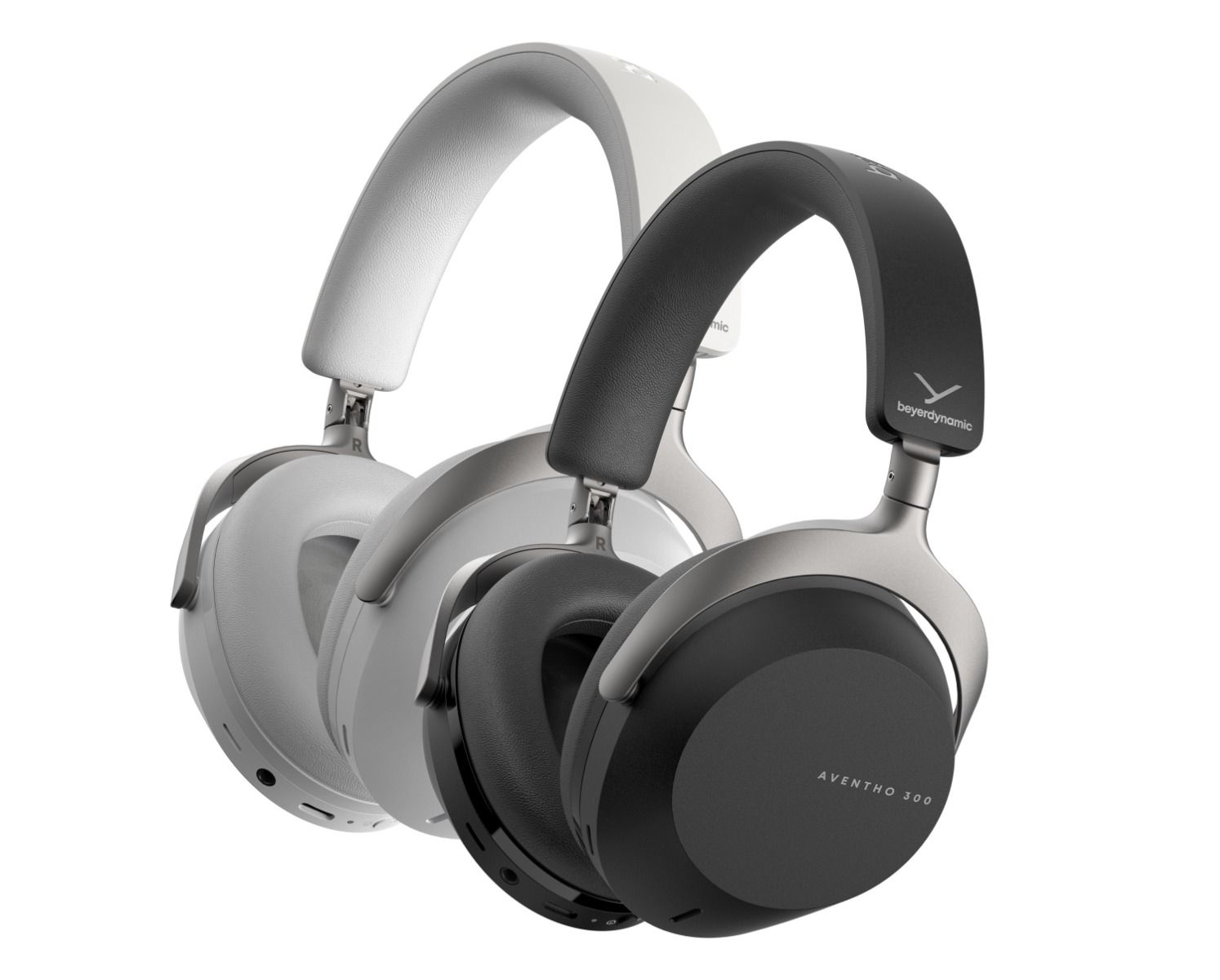
Beyerdynamic Aventho 300 Over-Ear Wireless Headphones: The beyerdynamic AVENTHO 300 is a wireless, foldable over-ear headphone with a closed-back design, perfect for travel or home use. Its German-engineered Stellar.45 drivers deliver crystal-clear sound, enhanced by aptX Lossless, aptX Adaptive, and Dolby Atmos with Head Tracking for immersive spatial audio. Adaptive hybrid ANC minimises background noise, while Transparency Mode lets you stay aware of your surroundings. Integrated microphones provide clear calls, and Multipoint Bluetooth 5.4 allows connection to multiple devices with auto pause/play when worn or removed. Ergonomically designed with memory foam headband and ear cups shaped to fit the ear, it ensures long-lasting comfort. Touch controls and the free beyerdynamic app enable playback, volume, voice assistant access, EQ customisation, and software updates. With up to 50 hours of battery life on ANC, USB-C charging keeps you powered for extended listening sessions.
-
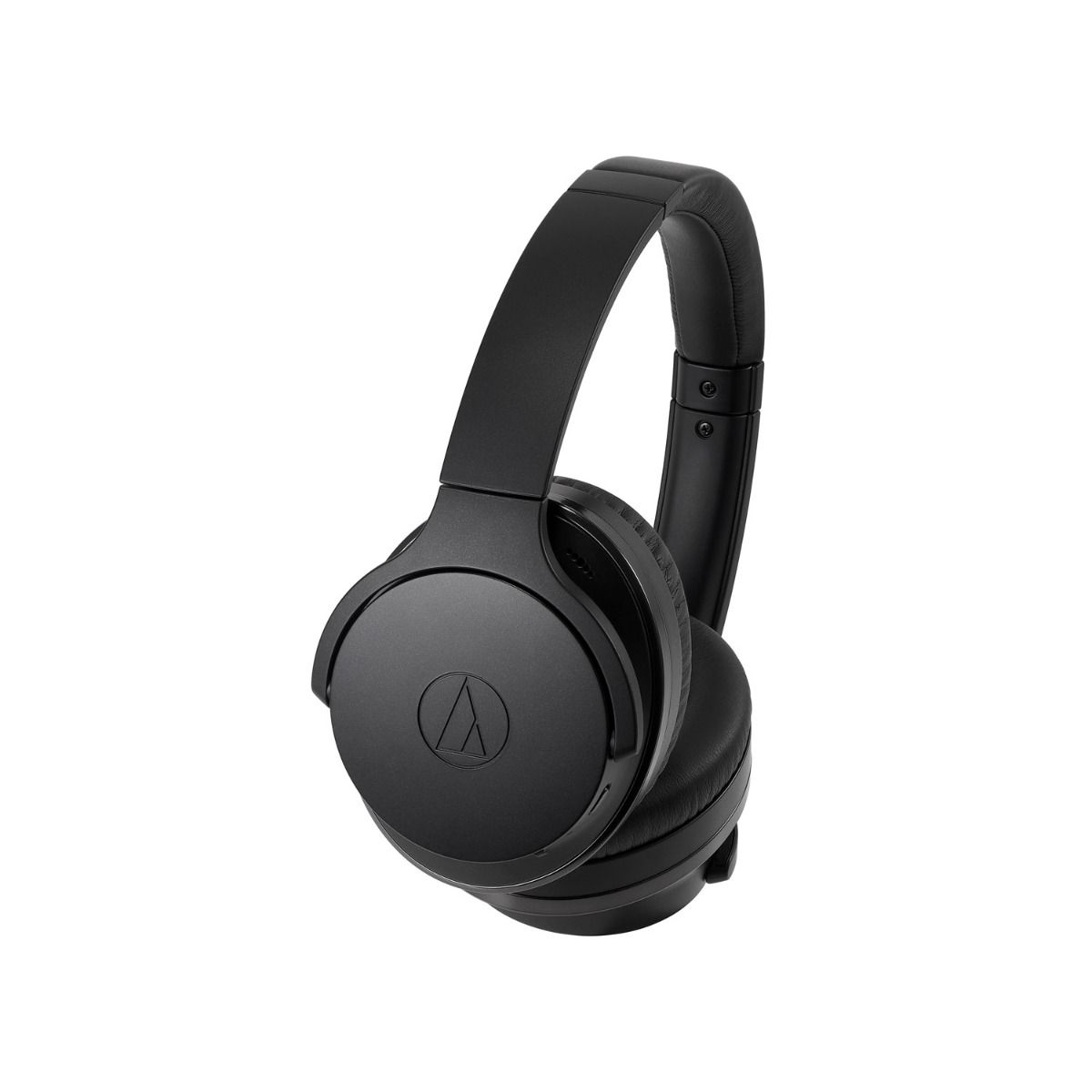
Audio-Technica ATH-ANC900BT Wireless Noise Cancellation: The Sennheiser MOMENTUM 4 Wireless Headphones combine premium comfort, sleek design, and exceptional sound for an effortless listening experience. Featuring Sennheiser Signature Sound with a 42mm transducer system and aptX Adaptive, they let you customise audio via the Smart Control App. Adaptive Noise Cancellation and Transparency Mode keep distractions at bay, while four microphones ensure clear calls and voice assistant access. With Bluetooth 5.2, up to 60 hours of battery life, intuitive touch controls, Smart Pause, and Auto On/Off, these headphones deliver convenience and performance. Lightweight, ergonomically padded, and travel-ready, the MOMENTUM 4 offers style, comfort, and premium audio on the go.
Conclusion
Whether you’re travelling, working in a busy office, or simply enjoying music at home, headphones with ANC can dramatically improve focus and enjoyment. Explore Minidisc’s full range of ANC headphones today and experience the clarity and calm that modern noise-cancelling headphones provide. Shop now or contact us to find the perfect model for your needs.