
Do I Need a Headphone Amp for Audiophile Headphones?
High-fidelity listening experiences are on the rise, and the headphone market is booming, with headphones and headphone accessories (such as headphone amps) flying off the shelves. Last year alone, the market was valued at roughly $1.8 billion, with forecasts suggesting it could reach around $3.5 billion by 2032. This surge is due to the convergence between an increase in audiophiles, an expansion in the high audio quality technology that’s become more readily available to the average consumer, and of course, the proliferation of streaming platforms that facilitate both music and podcasts. With headphones becoming more sophisticated and self-sufficient, it raises an important question for enthusiasts: do you really need to buy a dedicated amplifier anymore? Scroll on down to find out.
What is a Headphone Amp?
Simply put, a headphone amplifier is a device that supplies power to your headphones. Like speakers, headphones can be classified as either passive or active. Active headphones include an internal power source, so they don’t require external amplification to produce sound. Conversely, passive headphones lack built-in batteries or amplifiers, meaning they rely on an external power source—such as a headphone amplifier—to drive the speakers and produce sound. Most high-end, audiophile-grade headphones are passive and will require an amplifier to reach their full performance potential.
How Do I Know If I Need an Amplifier for my Headphones?
-
Volume Quality: One of the first signs that a headphone may need an amplifier is how it sounds at normal listening levels. If you’ve ever had to turn the volume all the way up just to hear a song clearly, it’s a strong indication that your headphones aren’t receiving enough power. Two key factors influence how well headphones handle volume: impedance and sensitivity.
-
Impedance Rating: All audiophile headphones come with an impedance rating, which represents the combined resistance and reactance the headphones present to an amplifier. This rating provides insight into whether a headphone will require extra amplification. Impedance is measured in ohms, typically ranging from 16 to 600 ohms. Lower-impedance headphones generally sound louder at a given voltage, while higher-impedance models require more power to achieve the same volume. The term “drivability” often refers to this characteristic: headphones that are “harder to drive” need more amplification, whereas “easier to drive” headphones can reach sufficient volume with minimal power.
-
Sensitivity: Headphones with a higher sensitivity rating generally produce louder sound because they require less power to reach a given volume. However, there’s a trade-off: very sensitive headphones can pick up more than just the music. They may reveal background noise from your amplifier, electrical interference, or other unwanted sounds. Additionally, high sensitivity can sometimes result in harsh or piercing spikes in the treble during certain tracks, which can affect listening comfort.
The Different Types of Headphone Amps
-
Portable Amps vs. Desktop Amps: Portable headphone amplifiers are compact, battery-powered units designed for on-the-go use, making them ideal for mobile devices, laptops, or travel. Desktop amps are larger, mains-powered units that provide higher output and often better performance, making them well-suited for home setups and high-impedance headphones.
-
Tube Amps vs. Solid-State Amps: Tube amplifiers use vacuum tubes to amplify audio, often producing a warm, smooth, and harmonically rich sound signature. Solid-state amplifiers rely on transistors and circuits, offering cleaner, more precise amplification with lower distortion. The choice between the two often comes down to personal preference and the type of music you listen to.
-
Integrated DAC/Amp Units: These units combine a digital-to-analog converter (DAC) with a headphone amplifier in a single device, allowing digital audio sources like computers, phones, or streaming devices to drive headphones directly. Integrated DAC/amp units simplify your setup while improving audio quality and providing the power needed for a wide range of headphones.
Will a Headphone Amplifier Give You Better Sound Quality?\
In a nutshell: yes, they will. Using the right headphone amplifier can enhance your headphones’ performance and allow them to reach their full sonic potential. The key is identifying what might be limiting your sound—whether it’s excessive sensitivity, low impedance causing distortion, or other factors. You should also consider aspects like the build quality and driver type. Dynamic driver headphones generally benefit from an amplifier but don’t always require a dedicated unit; a combined DAC/amp is often sufficient. In contrast, planar magnetic headphones almost always need a dedicated amplifier to perform optimally. If you own a variety of headphones with different impedances, sensitivities, and driver designs, it’s important to choose a flexible amplifier that can accommodate most or all of them. Familiarity with the various types of headphone amplifiers and how they fit different listening scenarios will help you make the best choice.
Find the Best Headphone Am For You At Minidisc
-
Cayin RU6 R2R USB DAC Headphone Amplifier
The Cayin RU6 R2R USB DAC headphone amplifier delivers the natural, realistic sound of R2R DACs using 96 high-precision resistors for 24-bit decoding. Cayin’s carefully selected low TCR thin-film resistors ensure high thermal stability, while the 99-step physical volume control preserves transparency. A high/low gain switch provides flexible performance with sensitive IEMs and portable headphones. Weighing just 28g, the RU6 is pocket-friendly and ideal for on-the-go listening.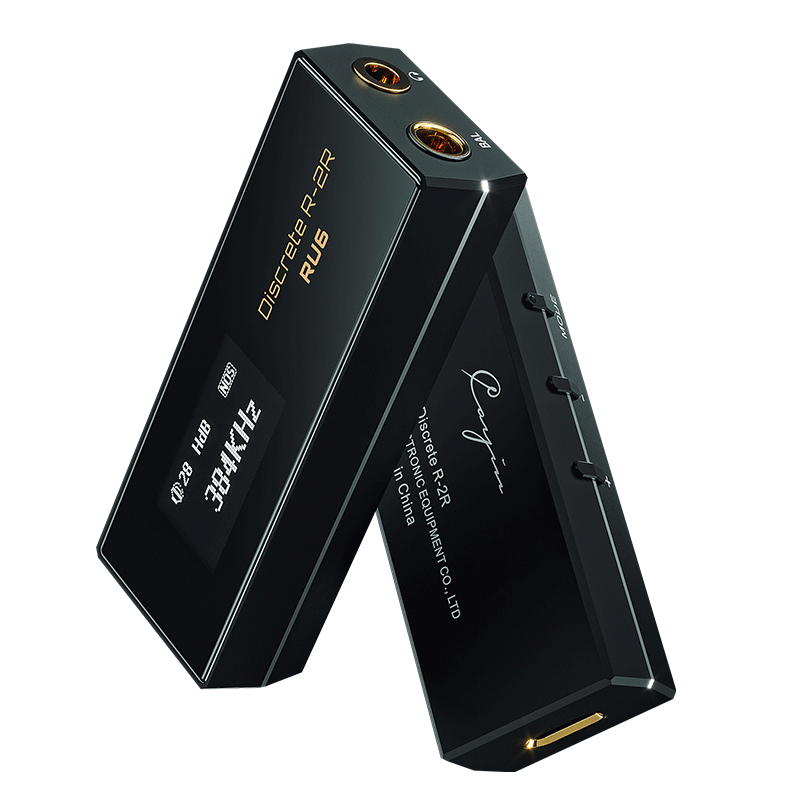
-
Cayin HA-3A Vacuum Tube Headphone Amplifier
This compact A4-sized Cayin HA-3A vacuum tube headphone amplifier combines style and performance, featuring 4-Pin XLR, 4.4 mm, and 6.35 mm outputs with selectable low, mid, and high impedance for optimal headphone matching. Hand-matched Electro-Harmonix 6V6EH GT driver tubes and RCA 25AX4GT rectifiers deliver warm, natural sound through a single-ended tube circuit with transformer-coupled outputs. Custom-wound transformers, point-to-point gold-plated wiring, and balanced outputs enhance stereo separation and signal integrity. Built with an ALPS volume potentiometer, stainless-steel and aluminium chassis, anti-vibration feet, and comprehensive circuit protection, it supports RCA and XLR inputs, multiple headphone outputs, and an impedance-matching switch for versatile use.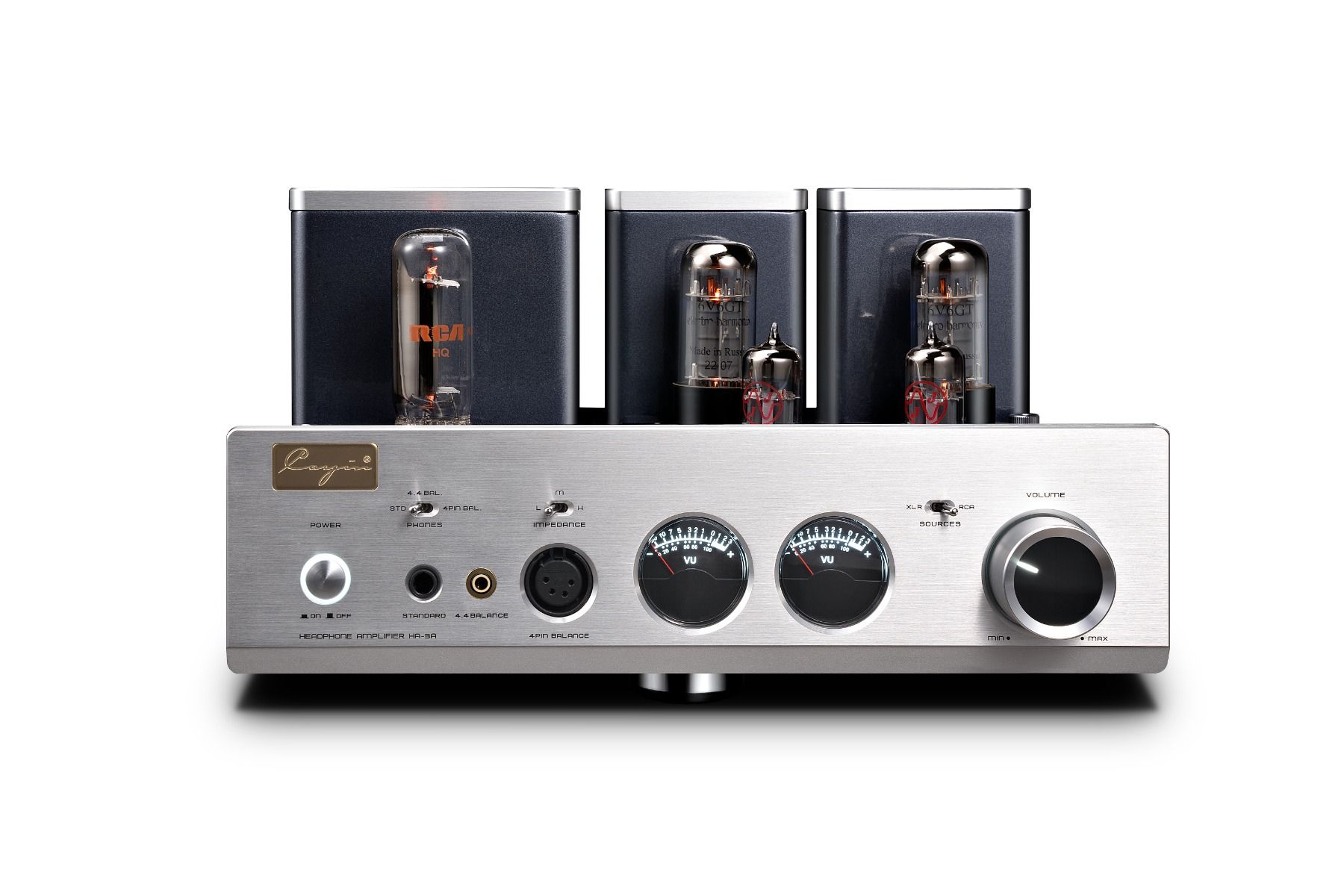
-
Auris HA-2SE+ Headphone Tube Amplifier
A single-ended tube headphone amplifier featuring Auris’ classic tube lineup: four 7-pin Ei PL95 pentode NOS tubes (equivalent to 6DL5) and a single ECC81 dual-triode input tube (12AT7). The HA-2SE+ headphone tube amplifier uses manually wound double C core transformers, crafted in-house to exacting standards, ensuring a nearly linear response across the full audio range and delivering consistent, high-quality sound.
-
Auris Nirvana IV Desktop Tube Amplifier
The Auris Nirvana IV desktop tube amplifier features a high-end tube amplifier compatible with almost any headphone, from low-sensitivity 32-ohm planar magnetics to 600-ohm dynamic drivers. It boasts pre-selected, long-life tubes including EL34 driver tubes by Electro-Harmonix and ECC82 by Tung-Sol, with premium internal components from Mundorf, Rubicon, and Wima. Manually wound double C core transformers provide smooth, rich, and detailed sound across all headphone types.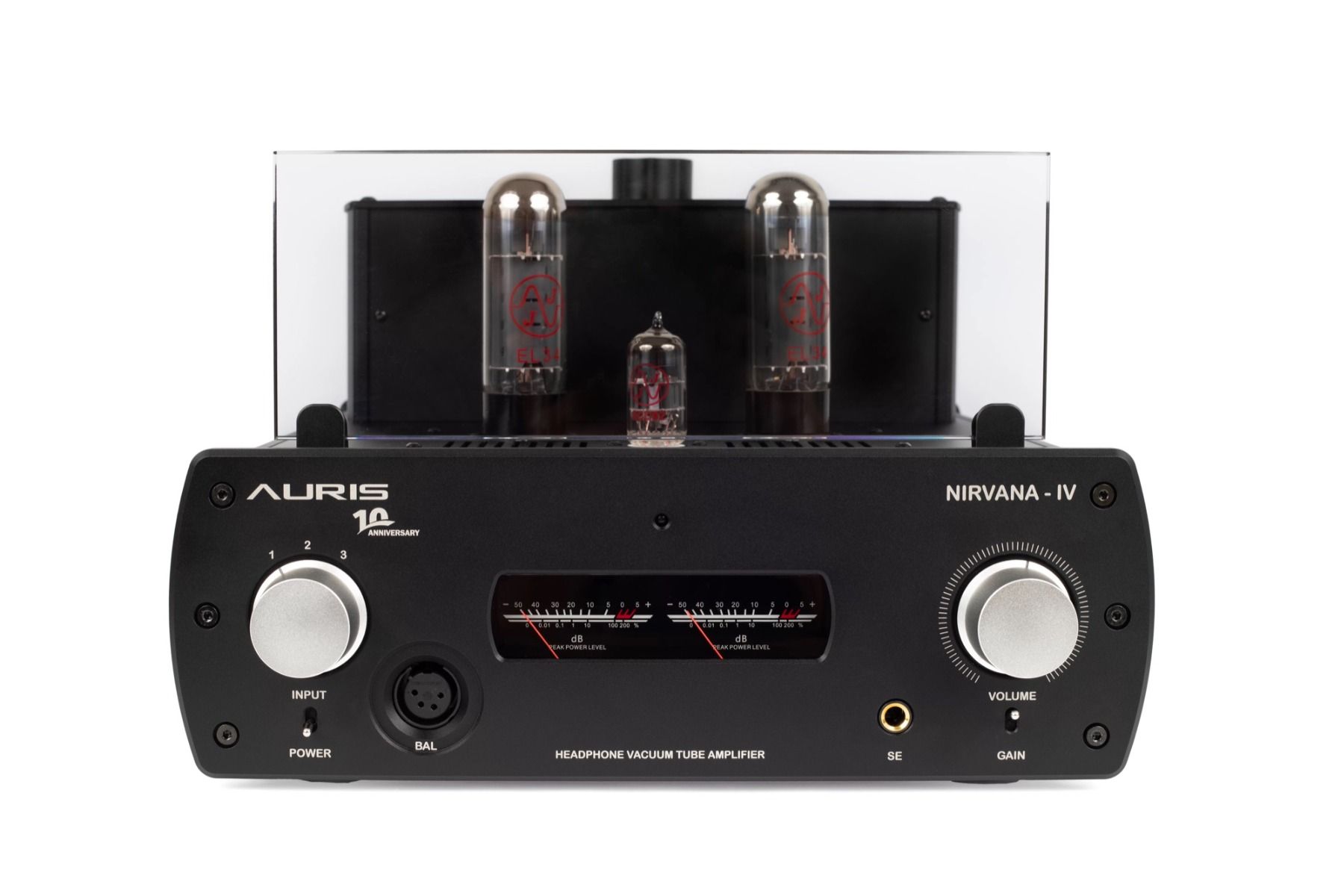
-
Denon DA10 Portable USB-DAC and Headphone Amplifier
The Denon DA10 is a portable USB DAC and headphone amplifier designed to elevate the listening experience. Powered by a 3200 mAh lithium-ion battery, it uses a Burr-Brown PCM-1795 32-bit high-resolution DAC capable of up to 192 kHz PCM and 2.8/5.6 MHz DSD decoding. Denon’s AL32 technology handles signal filtering, upsampling, and noise shaping, while a durable aluminum case and fold-out carrying pouch protect both the amplifier and your music player during portable use.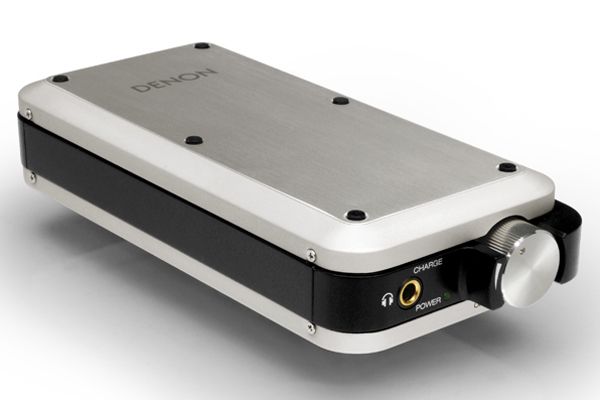
-
FiiO Q15 Portable DAC & Headphone Amplifier
The FiiO Q15 is a versatile portable headphone amplifier and DAC with a desktop mode via a separate Type-C power input, which allows continuous high-power operation. In desktop mode, it delivers 1600 mW through balanced output, enough for full-size headphones and IEMs. The Q15 includes USB, Bluetooth, and coaxial connectivity, supporting PCM up to 768 kHz/32-bit, DSD512, and high-res Bluetooth codecs such as LDAC and aptX Adaptive, making it compatible with a wide range of devices and usage scenarios.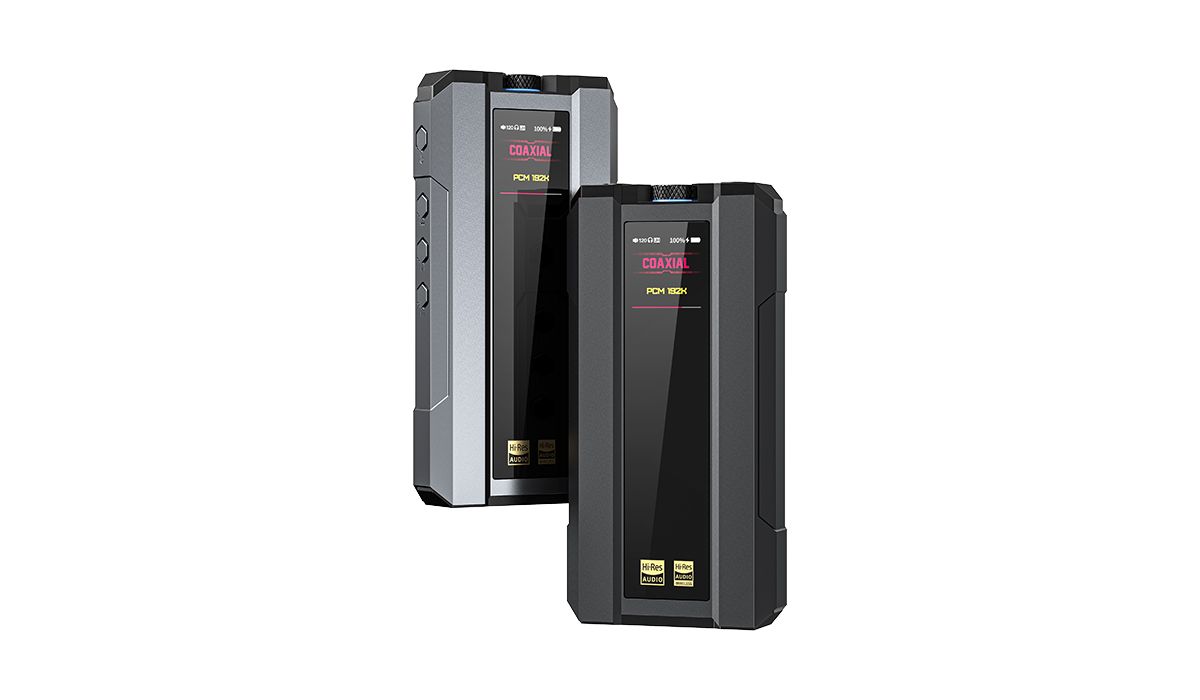
Conclusion
Ultimately, headphone amplifiers can significantly enhance your listening experience by providing extra power, improving dynamics, and reducing distortion; especially with high-impedance or less efficient headphones that struggle to reach their full potential from standard devices. You will typically need an amp if your headphones require more voltage or current than your source can provide, or if you want to unlock maximum detail and clarity in demanding audio tracks.
On the flip side, many modern headphones, particularly low-impedance or highly efficient models, perform perfectly without an amp. Before deciding, it’s important to review your headphones’ specifications, consider how and where you’ll be using them, and assess whether the extra investment will meaningfully improve your listening experience. You can browse our headphone amps here, or check out our portable headphones amplifiers and desktop headphones amplifiers here. You can also head over to the Minidisc homepage to explore our many other high quality audio gear. Need a human opinion? Simply get in touch with us via the Minidisc contact page, and one of our trusty staff members will be all too happy to help you.